
Trees are valuable additions to any property. Not only will fully grown trees make your home look more attractive, but they can also increase your property’s value. Unfortunately, not all trees grow problem-free. Some are more difficult to grow than others and come with issues that could make you think twice about planting them in your property at all. If you’re planning to plant new trees on your property, keep an eye out for these trees which are known for potentially being difficult to manage.
1. Palm Trees
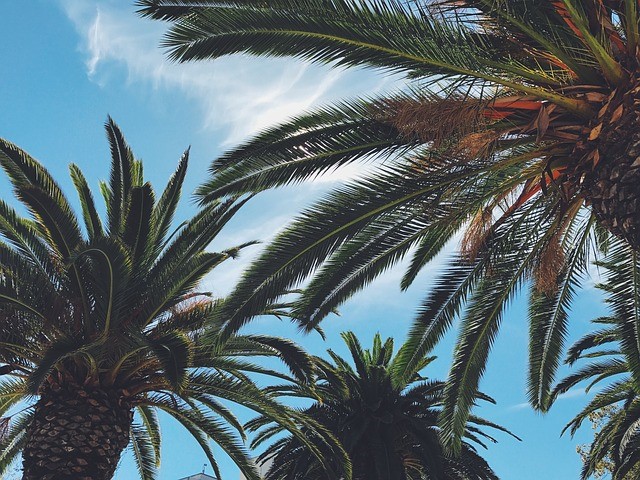
Thanks to their unique and tropical appearance, palm trees are one of the most popular and eye-catching trees that can be found on residential properties. While young and potted palm trees pose little trouble to homeowners, their bigger and older versions are often more problematic. Aside from their sheer size (palm trees can grow to around 10-30 metres), the most common problem homeowners face with palm trees are the palm fronds that frequently fall off. These fronds are often large and bulky, not to mention sharp. So not only do they make your property look unattractive, but they can also be a pain to remove and dispose of. To prevent these fronds from causing you headaches, it’s important to prune your palm trees appropriately at the right times. This will let you remove loose palm fronds before they fall.
2. Ficus / Weeping Fig Trees

Like palm trees, Ficus trees (also commonly known as Weeping Fig trees) make excellent decorative plants when they’re young and potted. But once they’re bigger and planted outside, they can pose more problems than benefits. First, they can grow tremendously large, growing up to 20-30 metres tall (they are rainforest plants, after all). This makes them unsuitable for typical suburban homes.They also have incredibly strong and aggressive root systems, which are known to damage structures like walls and underground pipes. So, if you’re planning to plant this tree on your property, make sure you plant it far away from any structures. And if you already have a Ficus tree on your property that’s causing issues, then consult with tree removal specialists to determine whether it needs to be removed.
3. Eucalyptus
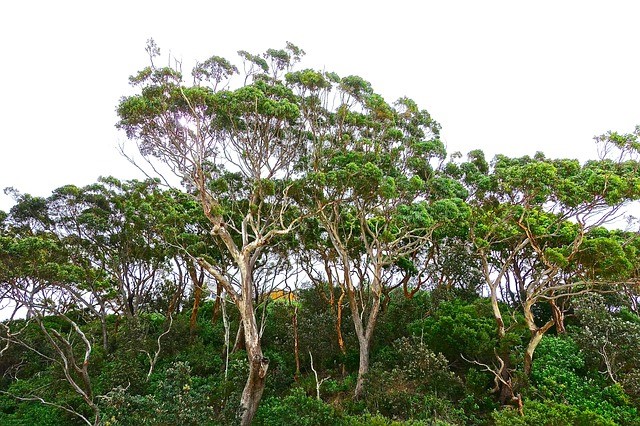
Eucalyptus trees (also known as gum trees) may be everywhere in Australia, but that doesn’t mean they make great trees on your property. Eucalyptus trees pose several issues to homeowners: First, they can grow really tall and large, which can be a problem in small lots and properties. Second, they have aggressive root systems that can damage surrounding structures and building foundations. Third, their branches can present health hazards as they can easily fall off by themselves if they’re infected or blown off by strong winds or a storm. If you have eucalyptus trees on or near your property, it’s best to have them checked and maintained by an arborist every year (or at least every two years) to make sure they don’t cause any problems.
4. Golden Robinia

Golden robinias are beautiful deciduous trees that became popular in the 1980s and are still widely loved today. The problem here isn’t the size or root systems – it’s that they’re especially prone to producing tree suckers. Not only do these tree suckers look ugly on your tree, but they can also drain resources from them. To prevent tree suckers from damaging your golden robinias, make sure to remove them as soon as possible. Also, don’t hesitate to consult arborists if you’re finding it difficult to deal with tree suckers.
5. Jacaranda

Jacarandas are some of the most beautiful and eye-catching trees you’ll see here in Queensland, so it’s no surprise that many homeowners love them. But if you’re planning to plant one yourself, you do need to be careful of where to place them. The trouble for most homeowners is how big jacaranda trees can get (around 10-15 metres tall). But it’s not just the size that’s the issue – the root system also grows far and wide. That’s why you should never plant them near your home. If you’re planting jacaranda trees in your property, make sure you plant them far away from your main house. The rule of thumb for planting big trees like these is to plant them at a distance of at least 1-1.5 times its height (i.e. If it can grow up to 10 metres, plant it 10-15 metres away from your house). And if you have a jacaranda tree on your property already, you should make sure to check surrounding structures regularly to make sure the branches and roots aren’t damaging anything.
6. Camphor Laurel

Camphor Laurel trees are undoubtedly one of the best shade trees.The problem is: They can spread quickly and invade existing habitats and eco-systems. In fact, they’re so problematic to landowners that they’re considered weeds here in Queensland. Homeowners are also encouraged to limit their growth or remove them completely if they’re in private properties. Camphor Laurels are also notorious for having invasive root systems that can damage concrete structures and even block drains. And while this isn’t a tree that you normally choose to plant in your property, there are cases where landowners find one already growing on their lots. If this is the case for you, consider having it removed by tree removal specialists to ensure it doesn’t spread even more.
Need Professional Help?
If you need help managing or removing any tree in your property, feel free to get in touch with us to find out what we can do for you. Aside from tree removals, we also provide tree pruning, palm tree cleaning, stump grinding, and mulching services that can help you manage the trees in your property.
